Capturing the Wild: How Wildlife Photography Is Stealthily Saving the Animal Kingdom
- lucy8799
- Mar 20, 2025
- 4 min read
Wildlife photography is more than just a passion; it is a vital tool for conservation. Photography offers up an insight into the beauty and challenges faced by the animal kingdom. Wildlife photography can not only capture breathtaking images but also significantly aid in conservation efforts across the globe.
The Art of Observation
Wildlife photography requires an attentive eye and a love for nature. I personaly have often spend countless hours in the field, spending weeks staying in camps and trying everyday to get that perfect shot. A photographer waiting in the Arctic tundra might spend hours hoping to capture a snow-covered polar bear in its natural setting. This kind of patience fosters a deeper understanding of animal behaviours and their habitats.
The photographs taken show not just the splendor of wildlife but also the threats these animals endure, including habitat loss, climate change, and poaching. The World Wildlife Fund (WWF) notes that over 1 million animal and plant species are now threatened with extinction due to human activities.
Raising Awareness Through Visual Storytelling
Images can convey strong emotions that words often cannot. Wildlife photographers use their visuals to tell powerful stories and raise awareness about urgent environmental issues.
For example, consider a haunting image of a lone rhino in a shrinking habitat. Such a photograph can resonate deeply, inspiring viewers to get involved with conservation efforts. Research shows that environmental photography can increase support for wildlife protection by 75%. This could mean joining local conservation efforts or changing personal habits that harm the environment, such as reducing plastic use or participating in local clean-up drives.

Supporting Conservation Initiatives
Many wildlife photographers dedicate their time to uplifting conservation initiatives. By collaborating with NGOs and environmental organizations, they create impactful visuals that help promote important missions.
For instance, photography exhibitions showcasing endangered species often donate their proceeds to habitat restoration projects. In 2022, a well-known wildlife photographer raised over $50,000 for sea turtle conservation through a photo book release. Such efforts demonstrate how art can translate into action for wildlife preservation.
Educating the Public
Wildlife photography serves an essential educational role. Many photographers use their platforms to share stories and knowledge about different species and ecosystems. Online workshops or social media presentations can effectively educate audiences about animal behaviours and conservation tactics. For example, a wildlife photographer could create a series of posts about African elephants, discussing their social structures and pressing issues like poaching. This type of content raises awareness and fosters an informed public, which is vital for effective conservation advocacy.
The Role of Technology in Wildlife Photography
The evolution of technology has greatly enhanced wildlife photography, making it easier to capture stunning images. Today’s tools—such as drones, remote cameras, and powerful telephoto lenses—allow photographers to document wildlife without disturbing their natural behaviour. Statistics show that the use of technology in wildlife photography can increase successful wildlife observations by up to 40%.
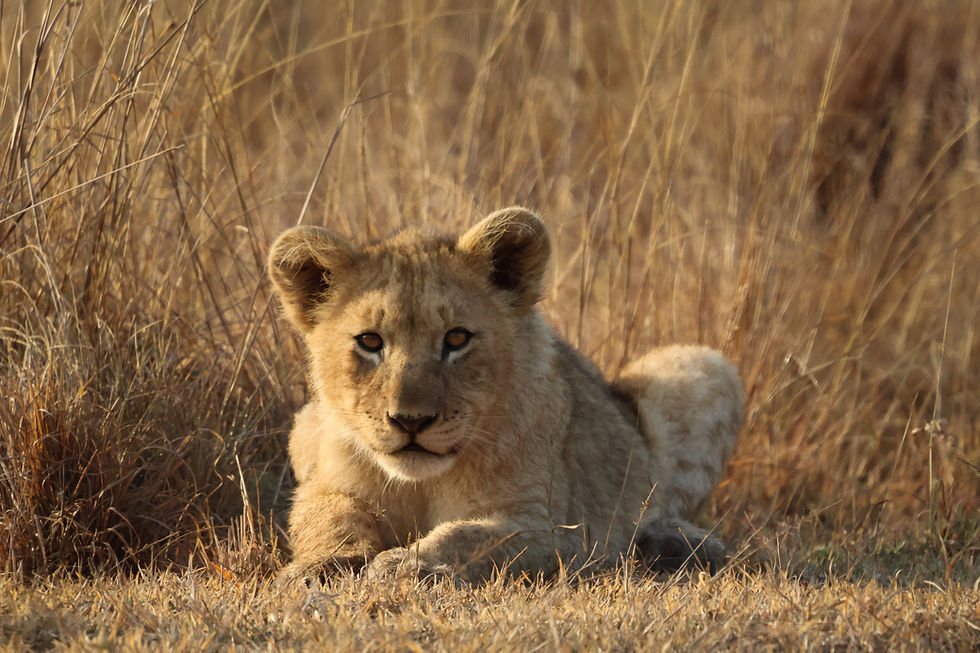
Almost all of my wildlife photography is shot on my 600mm or 100-400mm lens, and I somtimes even used a 1.4x extender. For those of you who don't speak photographer that means I can capture photographs of animals from hundreds of meters away!
The Impact of Social Media
In today's digital landscape, social media is a powerful platform for wildlife photographers to showcase their work. Through social media, stunning images can reach millions of viewers and widely distribute conservation messages. A single post about melting glaciers can spark thousands of shares, mobilizing public interest in climate change. Modern hashtags and campaigns like #SaveTheTigers can quickly rally support for specific conservation issues, demonstrating the capability of digital storytelling.
Too ugly to be saved
The unfortunate reality for some endangered species is that flagship species are more likely to capture the majority of attention from wildlife photographers, public apreciation and conservation efforts. This often leads to the neglect of less charismatic, yet equally endangered species. While iconic animals like tigers, elephants, and pandas dominate the lens and garner public interest, countless other species fade into obscurity despite facing severe threats to their survival. This disparity not only skews conservation priorities—redirecting funding and resources towards the more photogenic species—but also undermines the overall biodiversity that is crucial for healthy ecosystems. As wildlife photographers focus on the allure of flagship species, the plight of lesser-known animals remains largely unrepresented, perpetuating a cycle of invisibility that can hinder comprehensive conservation strategies. Ultimately, this oversight risks the loss of vital species that play essential roles in their habitats, highlighting the need for a more inclusive approach to wildlife conservation that values all species, regardless of their perceived charisma.
The Final Takeaway
Wildlife photography goes beyond beautiful images; it delivers a profound impact on wildlife conservation.
As you prepare for your next photography adventure, consider that each click of the shutter is not just a snapshot but also a contribution to a larger conservation effort. The wild world is calling, and with attention and dedication, you can play a part in its preservation.

Embrace wildlife photography, and let’s band together to protect the beautiful creatures that inhabit our planet.

Comments